

Cross-cutting activity Knowledge transfer
Facilitating a lively and mutually beneficial exchange of knowledge between research, politics, and society is a central task of technology assessment (TA). Researchers help to objectify debates and draw attention to the challenges, opportunities, and risks of scientific developments.
In times of disinformation, skepticism toward science, and complex societal challenges, the question of how science and society can engage in dialogue is becoming increasingly urgent. ITAS has been facing this challenge for over three decades – and addressing it, with continuously evolving formats.
On the one hand, the aim is to strengthen citizens’ scientific literacy and enable them – or their political representatives – to make decisions based on the best available scientific evidence. On the other hand, it is about shaping technological innovation responsibly by considering the knowledge and experience of the people involved.
Our research shows that the assessment of technological consequences requires the widest possible range of perspectives. For us, knowledge transfer is therefore a learning process in which scientific knowledge is related to social experiences, everyday knowledge, and political framework conditions. For a long time, we have been involving not only researchers from various disciplines in our studies but also citizens and stakeholders from civil society, politics, and business. ITAS researchers develop specific integrative research approaches and participatory formats for this purpose and apply them in different thematic contexts. The results, in turn, find their way into policy and societal advice and into scientific discourse.
We substantiated our understanding of knowledge transfer in 2024 in Wissenschaftsmanagement (Albiez et al. 2024). It is based on the principles of dialogue orientation, diversity of perspectives, and social relevance. The insights again flow back into policy and societal advice and into scientific discourse.
Knowledge transfer at ITAS: From research to society and back again
The scope of our activities ranges from real-world lab research on site to topic-specific citizens’ dialogues and policy advice at the national and European levels to citizen science projects, innovative exhibition formats, and the institute’s own publications.
Knowledge transfer is not a one-off project, but a continuous process. With new formats such as SPARK and the internationalization of openTA, we are actively shaping the interface between science and society – in dialogue with all those who are affected by technological change or want to help shape it.
Citizens’ dialogues:
- Karlsruhe citizens’ dialogue “Autonome Technologien im europäischen Kontext” (Autonomous technologies in the European context – public dialogue process conducted on behalf of the Federal Ministry of Education and Research)
- Citizens’ dialogue “Künstliche Intelligenz in unserem Alltag” (Public dialog process within the framework of KIT-Science Week)
- When Science Meets Crises (First Annual Citizens' Dialogue on behalf of KIT)
- Reward climate protection! But how? (Dialog with citizens on the occasion of the KIT Science Week 2023)
- Citizen dialogue "Global turbulence, local participation" on the occasion of KIT Science Week 2025
- Participation procedures in research organizations (PaFo)
Policy advice:
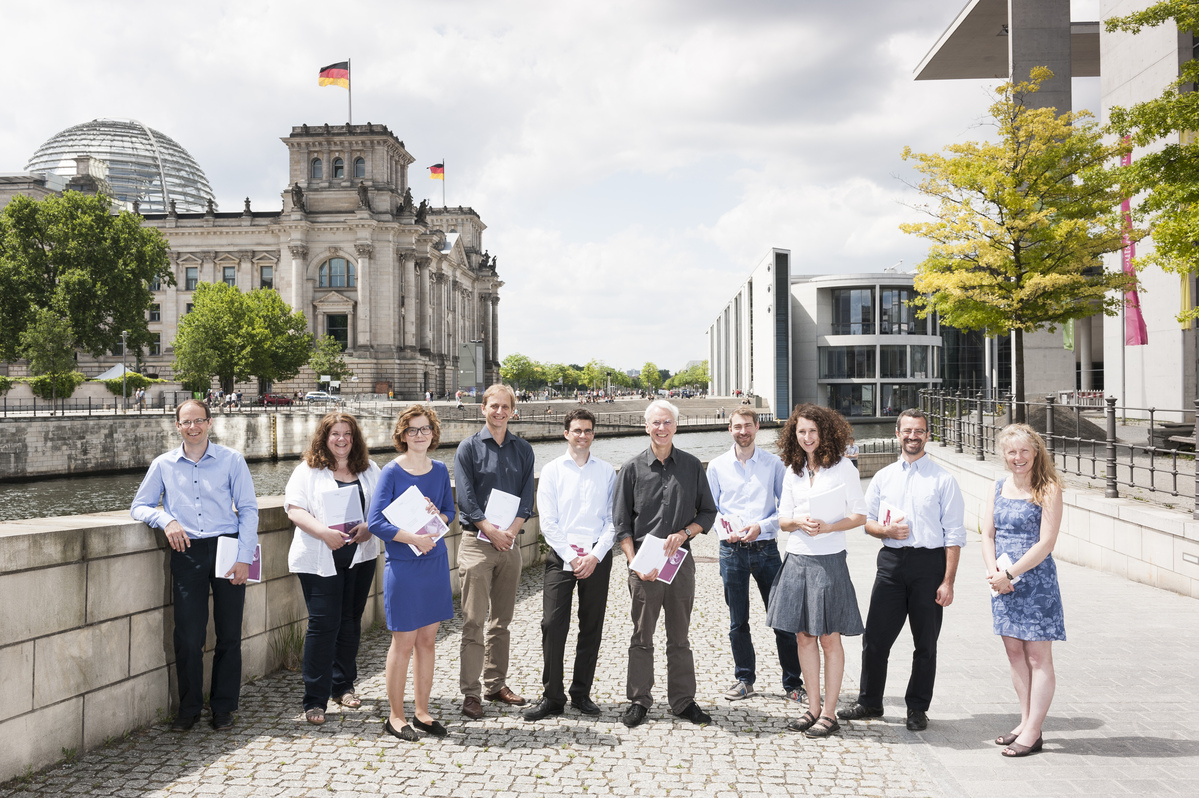
- Office of Technology Assessment at the German Bundestag (TAB) (has been providing advice to the members of parliament since 1990 on all matters related to scientific or technological progress)
- European Technology Assessment Group (ETAG) (network of European TA institutions coordinated by ITAS, provides advice to the panel for Scientific Technological Options Assessment (STOA) of the European Parliament)
- Foresight and technology assessment for the Austrian Parliament (preparation of regular monitoring reports as a partner of the Institute of Technology Assessment in Vienna)
Scientific communication and publication activities:
- technik.kontrovers (interactive thematic evenings on current topics at the interface of technology and society)
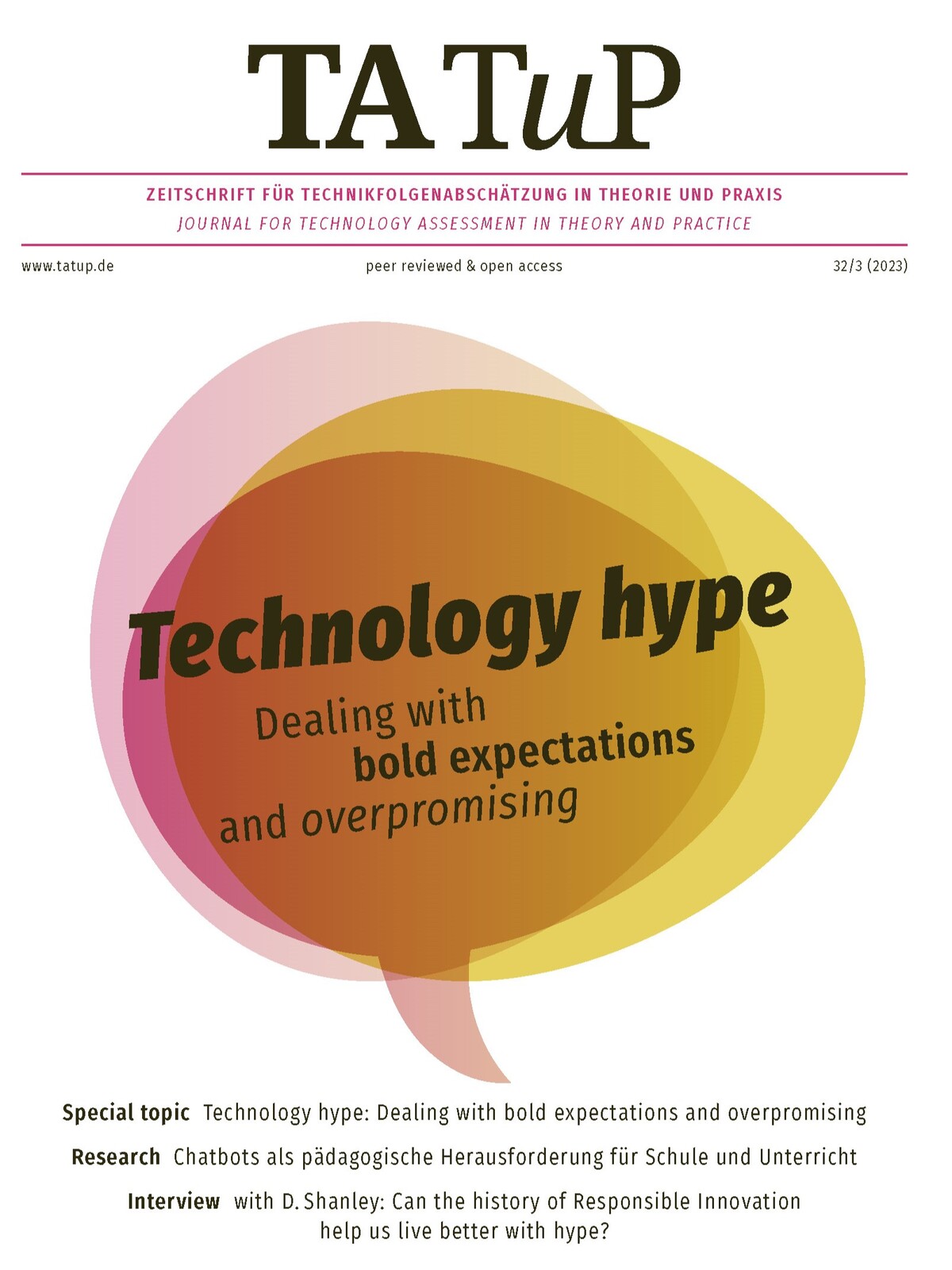
- TATuP – Journal for Technology Assessment in Theory and Practice (journal published by ITAS that presents research results for transdisciplinary stakeholders)
- openTA – Information platform for the German-speaking TA community with news, events, methods, and databases
- ITAS researchers in the media (a selection)
New forms of knowledge transfer:
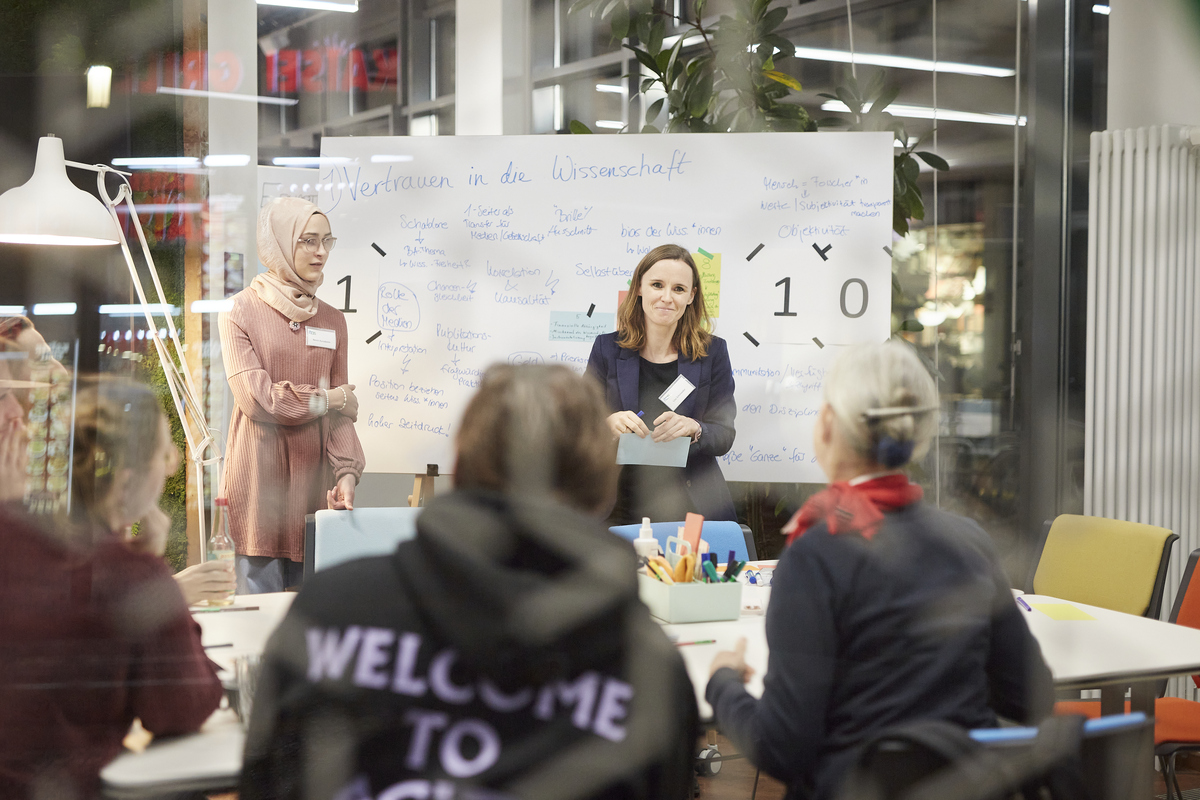
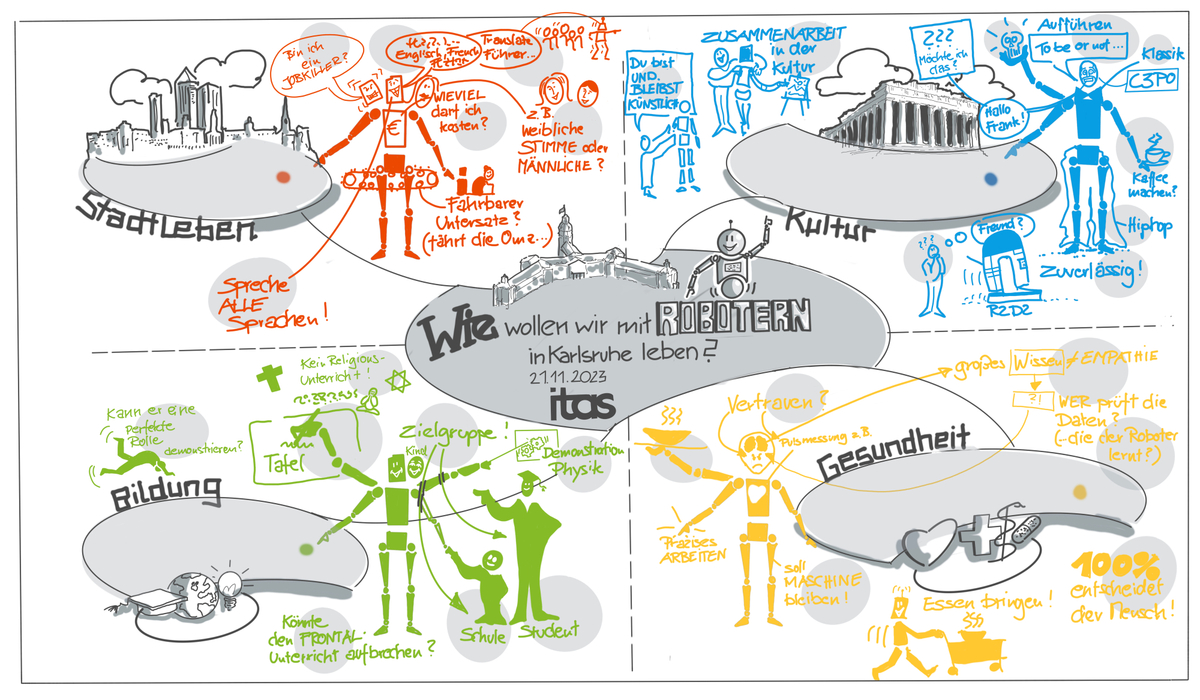
- Interactive exhibitions „Roboterhauptstadt Karlsruhe“ (robotics und artificial intelligence), „... sag du es mir" (trust in science) and „Wer entscheidet denn sowas?“ (final storage and democracy)
- SPARK – Space for human-centered transdisciplinary research and real-world-lab incubator (ab Sommer 2026)

Getting around in the city, living together, protecting the environment – researchers are increasingly drawing on the expertise of citizens to address such issues. The new PaFo project examines the impact of this form of participation.
more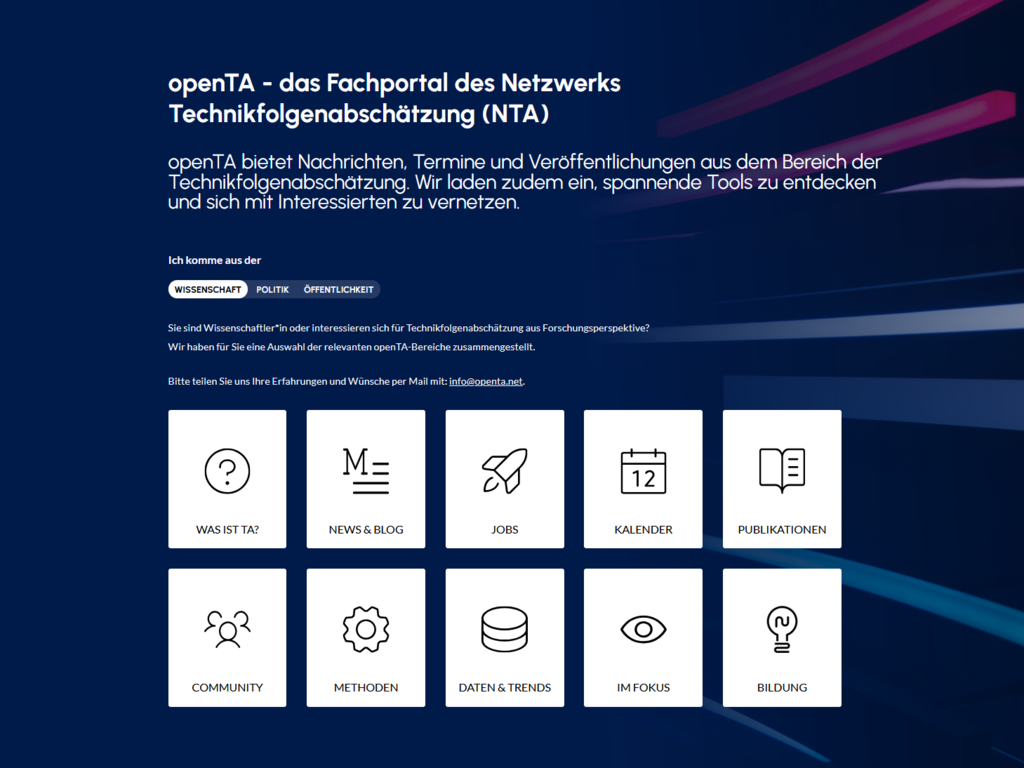
For more than ten years, openTA has been the information platform for the German-speaking TA community. With a new look, additional features and an English version, it now also addresses researchers, politicians, and anyone interested in TA worldwide.
moreContact
Karlsruhe Institute of Technology (KIT)
Institute for Technology Assessment and Systems Analysis (ITAS)
P.O. Box 3640
76021 Karlsruhe
Germany
Tel.: +49 721 608-26814
E-mail